.png)


Find out first,
find out at ROG.e
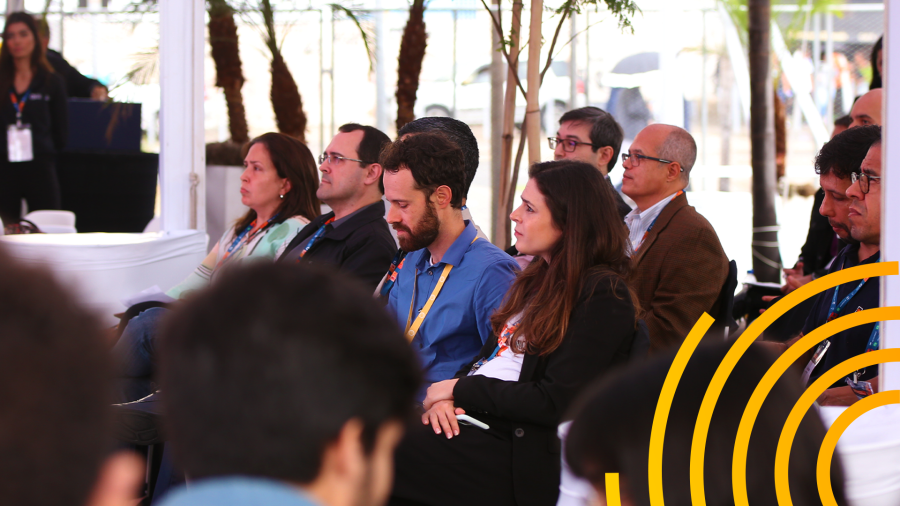
Find out what the main leaders and experts in the global energy market have to say.
At the ROG.e Conference space, you will have first-hand access to an exclusive and privileged content track, specially prepared by executives who are at the forefront of the sector’s transformations.
Get ahead of market changes with ideas, insights and experiences related to technology, sustainability, the energy transition and much more! New thematic axes and the participation of major companies will ensure participants have an experience rich in content and inspiration.
Make the most of yours: discover our Conference spaces.
Thematic Axes
Thoroughly designed experiences through the main subjects that guide the sector: the thematic axes are listed by experts so that you can explore the Conference’s various stages and spaces.
Gain valuable insights and practical knowledge while expanding your networking opportunities with people who share your interests.
- Exploration
- Reservoirs
- Wells
- Offshore Production Systems
- Onshore Production Systems
- Mature Fields revitalization
- Decommissioning and Abandonment
- Project Management and Economic Model
- Decarbonization
- Supply Chain
- HSE/SMS
- Refining and Biorefining
- Fuel Distribution
- LPG (Liquefied Petroleum Gas)
- Lubricants
- Fuel and Biofuel Quality, Production, and Competitiveness
- Infrastructure and Logistics for National Supply
- Irregular Market
- Product Pricing in the Context of an Open Economy
- Tax Simplification and Improvement of the Business Environment
- Operational Safety
- Operation and Maintenance
- Environmental Licensing
- Decarbonization
- Supply and Demand for Natural Gas
Includes: Domestic Supply; Reinjection; Imported Supply; Mapping of Potential/Suppressed Demand; Mapping of Existing Demand - Infrastructure – Project Development
Includes: Gas Gathering; Processing; Transportation; Distribution; Storage; Alternative Transport Modes - Regulation
Includes: Transportation; Distribution; Contingency Plan; Commercialization; Federal vs. State Jurisdiction; Operational Agreements in the Free Market; Specifications - Market and Planning
Includes: Trading Platforms; Virtual Trading Point; Contractual Models; Economic and Financial Project Evaluation; Storage; Gas Exchange; Secondary Market; Options Pricing; Enabling Greater Market Liquidity; Balancing Products; Role of Traders - Gas-Power Sector Integration
Includes: Associated Domestic Supply (inflexible) vs. Flexibility Demand (renewables); Batteries; Auctions; Harmonization of Gas Nomination vs. Power Dispatch; Merchant Thermal Plants; Flexible Gas; International Best Practices for Gas-Power Sector Integration - Decarbonization
Includes: Blue and Green Hydrogen; Carbon Footprint in Gas Production; Impact of Carbon Footprint; Qualitative and Quantitative Assessment of Natural Gas Role in National Energy Security (ref. Climate Plan – adaptation); Potential for Gas to Decarbonize High-Carbon-Intensity Activities in Brazil - Biomethane/Biogas
Includes: Supply; Certification; Demand; Carbon Footprint; Retirement; Commercialization; New Production Technologies; Challenges and Opportunities to Unlock the Market from the Perspective of Regulated Entities (per Decree No. 12,614/2025); How to Enable Greater Biomethane Inclusion in the Grid; Regulatory Adequacy Analysis for Transport via Transmission and Distribution Pipelines; Assessment of Potential Synergies in Pipeline Network Expansion for Biomethane and Natural Gas Chains, including Considerations/Analysis on EPE’s Integrated Offtake Plan - Regional and Global Aspects
Includes: Southern Cone Integration; Seasonality; Geopolitics; Global LNG Market; Integration with Guyana - Cross-cutting Issues
Includes: Energy Trilemma (Security vs. Energy Poverty/Equity vs. Environmental Sustainability); Artificial Intelligence; Low-Carbon Fuels; HSE/HSSE; Taxation; Geopolitics - Operational Safety
- Operation and Maintenance
- Bioenergy and Bioproducts
- Carbon Pricing Instruments
- Article 6 of the Paris Agreement and ITMO Regulation
- Border Adjustment Mechanisms
- NBS – Nature-Based Solutions
- Blue Carbon
- Biodiversity and Environmental Characterization
- Environmental Education Projects and Programs
- Waste Management
- Circular Economy
- Life Cycle Analysis
- Decarbonization Roadmap
- Decarbonization Strategies in the Industry and Transportation Segments
- Powershoring – Green Neo-industrialization
- National NDC
- MDS – Sustainable Development Mechanism
- Carbon Neutrality
- Green Buildings
- New Professions and Skills for a Low-Carbon Economy
- Sustainable Agriculture
- Electric Mobility and Low-Carbon Transportation
- Innovation and Technologies for Decarbonization and Energy Transition
- Energy Geopolitics in the Low-Carbon Economy
- Regulation and Public Policy
- Sustainable Taxonomy
- Climate Finance and Green Bonds
- Tax Incentives for Decarbonization and Energy Transition
- Low-Carbon Economy
- Energy and Regional Integration
- Energy Planning
- Energy Efficiency
- Supply vs. Demand
- Energy and Electricity Matrix
- Energy Diversification
- Energy Transition
- Energy Security
- Critical and Strategic Minerals for Energy Transition
- Climate Adaptation and Resilience to Extreme Weather Events
- Loss and Damage
- Climate Litigation
- GHG Emission Trajectory Scenarios
- Global and Bilateral Agreements on Climate Change
- National and International Mandates
- Renewable Energy
- Energy Storage
- Carbon Accounting
- CCUS, CCS, DACCS, and BECCS
- Greenhouse Gas Emissions Management and MRV
- GHG Emissions Reduction
- Global Warming Potential
- Emissions Mitigation
- Innovation and R&D&I Ecosystems
Includes: Strategic application of the R&D&I clause; Best practices in technology and innovation ecosystems; Technology-based entrepreneurship; Intellectual property in O&G and energy projects; Partnership models and open innovation; Science, Technology & Innovation (ST&I) regulatory framework; Regulatory environments for innovation sandboxes; Tax incentives and innovation promotion - Digitalization of Industrial Processes and Assets
Includes: Process automation and advanced control; Digital twins and operational simulations; Big Data and analytics; Integrated and safety-instrumented systems; Additive manufacturing and 3D printing; Remote and integrated operations; Low-code/no-code platforms; Digital sustainability and energy efficiency - Artificial Intelligence and Generative AI
Includes: AI for failure prediction and asset optimization; Machine Learning and Deep Learning applied to geoscience; Generative AI for technical and operational areas; Specialized virtual assistants for support areas; Code generation and automation of repetitive tasks; Generative AI for simulated training and immersive experiences; Use of Machine Learning models for industrial contexts; Computational capacity - Robotics, Drones and Intelligent Automation
Includes: Ground robots, drones and autonomous vehicles; Collaborative robotics in industrial environments; Automation of inspections and predictive maintenance; Subsea and aerial robotics for extreme environments; Autonomous solutions for emergency response - Cybersecurity and Digital Resilience
Includes: Cybersecurity strategies in OT/IT environments; Blockchain and smart contracts for data security; Zero Trust Architecture in critical infrastructures; Incident response and operational continuity; Security in remote operations and edge computing - Communication and Connectivity Technologies
Includes: 5G and industrial connectivity; OT/IT/ET convergence; Cloud computing and edge computing; HPC (high-performance computing); Interoperability and use of Open Source; Digital infrastructure for systems integration - Digital Experience and Value Chain
Includes: Customer digital experience and gamification; Value chain integration via digital platforms; Real-time trading platforms; Cross-sector service offerings and loyalty; AI for market intelligence; Design of personalized digital journeys - Digital Technologies for the Energy Transition
Includes: Smart grids and intelligent networks; Storage technologies (batteries, hydrogen); Digitalization of distributed generation; AI and analytics for energy efficiency; Blockchain for clean energy traceability; Edge computing and sensors for energy assets; Digital platforms for CO₂ management; Digital simulations for energy planning; Integration of renewable sources and intermittency control - Digital Competencies and the Future of Work
Includes: Training and certification of digital operators; Immersive simulations and training; New professional profiles and emerging skills for the age of automation and AI; Digital culture and organizational adaptation; Continuous and collaborative learning environments; Impact of artificial intelligence on the professional environment and generational differences - Innovation Governance and Ethics
Includes: Innovation management models and impact metrics; Corporate rituals and team engagement; Recognition and rewards in innovation ecosystems Algorithm governance, transparency, and digital accountability; Experience design that respects diversity, inclusion, and social impact; Integration of ethical principles in the adoption of emerging technologies
- Corporate Culture
- Social Responsibility and Innovation
Includes: Community Engagement - Diversity, Equity, and Inclusion (DE&I)
- People Management and Leadership
Includes: Talent Retention; Health; Mental Health and Well-being - Supply Chain Management
Includes: ESG Aspects in the Supply Chain - Youth Attraction
- Knowledge Management, Education, and Development
- Governance
- Compliance
- Energy Economics
- Regulation and Business Models

From October 13 to December 05, 2025

January 5, 2026

From January 12 to March 13, 2026

From November 19, 2025, to May 22, 2026

May 8, 2026

From May 11 to May 22, 2026

July 17, 2026

July 17, 2026

From July 20 to August 14, 2026

On the day of the event – At the media desk located in the conference building, via USB flash drive.
Strategic Talks
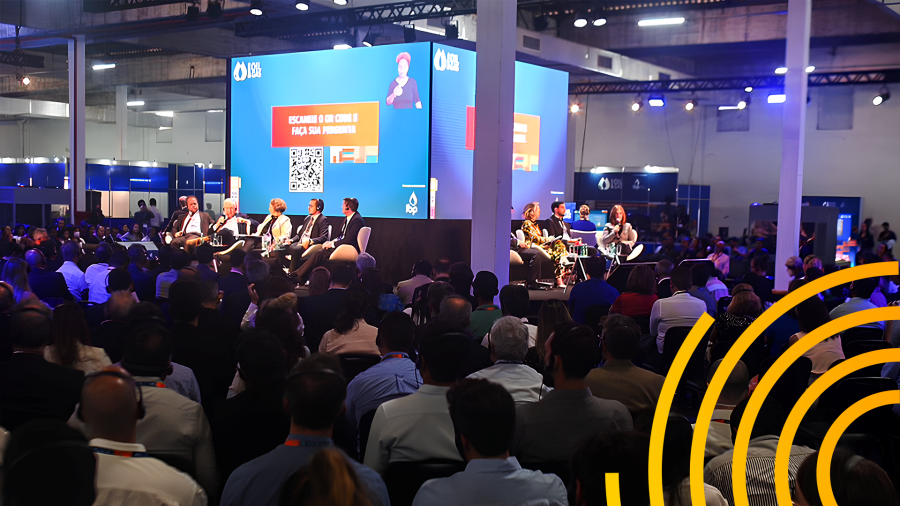
Strategic Talks is the big meeting of the sector’s main leaders. CEOs, Presidents, Executives and the main authorities from the largest global companies come together for daily talks in the Plenary 1 and 2. Get ready to be inspired by the greatest minds of our time, offering new and powerful ideas from the energy universe.

Dialogues of ROG.e &
Strategic sessions where topics vital to sustainability and the sector’s reputation are addressed. It is a great opportunity to watch international players who will present and debate the sector’s main agenda for the industry and society.
Special Sessions
Strategic sessions where guest experts address topics such as the market, business, and regulation and present success stories. The subjects of each session are carefully curated and proposed by the event’s Technical Committee, directly aligning the sector’s needs with the most innovative proposals of the moment.

Technical Session
Composed of previously selected authors approved by the Technical Committee and expert evaluators, the technical panels are grouped by subject to present scientific or academic papers. Each author has 15 minutes for their presentation and the opportunity to engage with the audience.

Individual Presentation
A brief and impactful showcase of scientific and academic papers, where the brief presentations are an excellent way to delve into the topics of our thematic axes, proposed by authors previously selected by expert evaluators.